
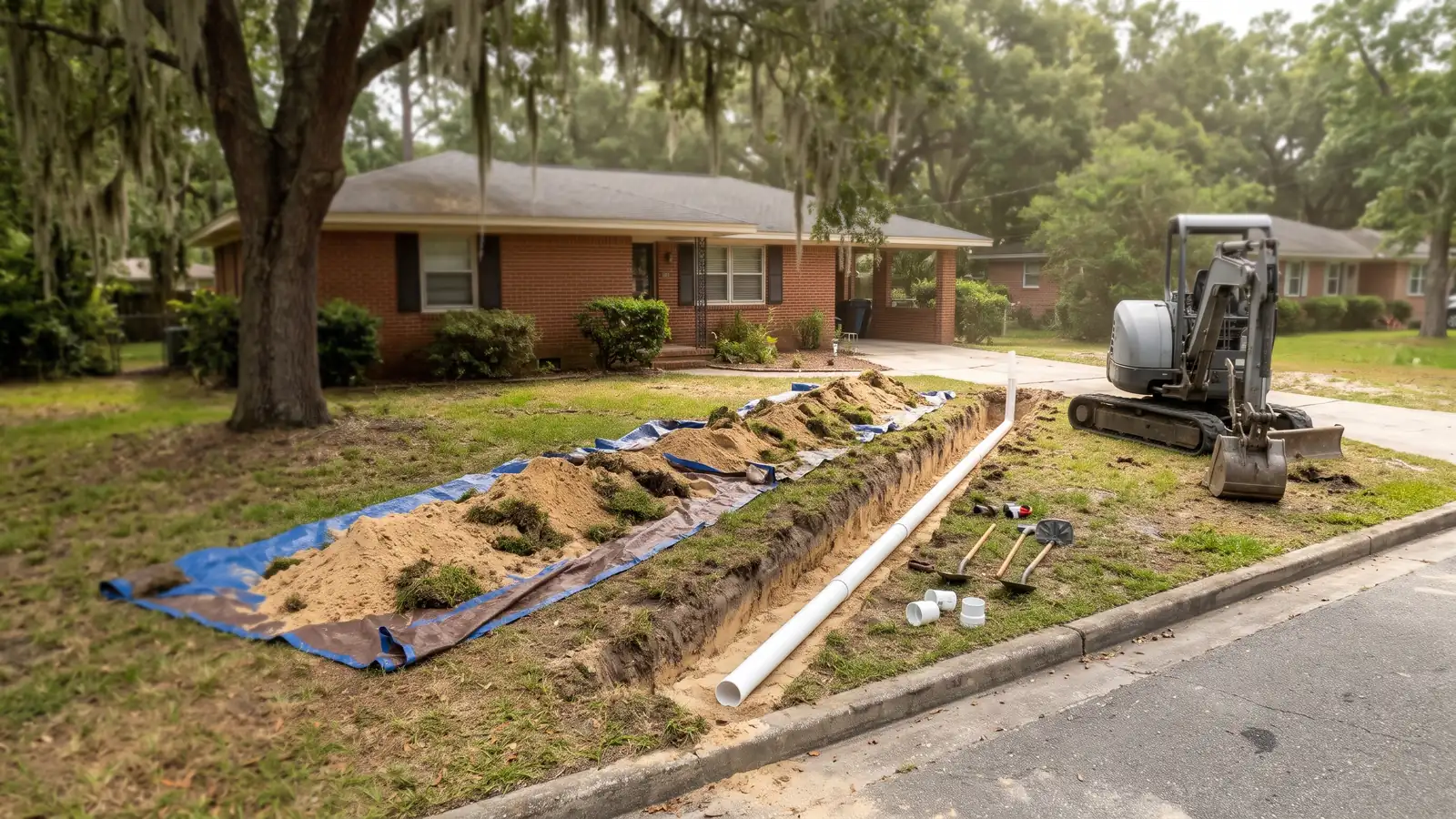
Tree Root Sewer Line Repair Options, From Cutting to Replacement
MAWSS says roots go looking for water and will find even the tiniest crack in a lateral. Each option below deals with that opening differently, and the cheaper ones have to be repeated.
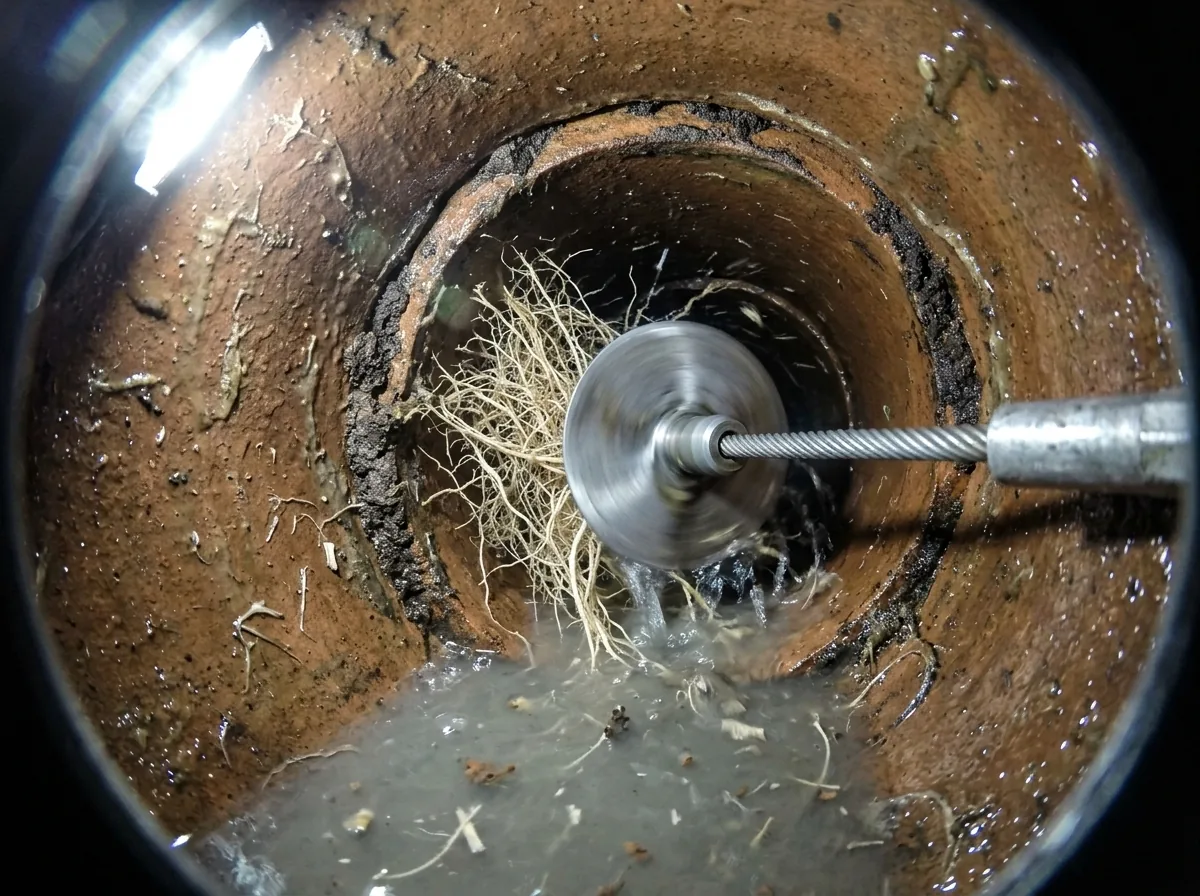
Cutting the Roots Back to the Joint
A cable machine or jetter with a cutting head clears the roots so the line flows again. HomeGuide says root removal adds $200 to $600 or more to a cleaning bill. The manual's view: cutting is the only way to clear a root blockage, works best when roots are cut flush with the joint, and gives no lasting control. Offset joints can stop a full-size cutter, and a jetter's root cutter can jam at a defect and have to be dug out. Nozzle types are on sewer line hydro jetting.
Foam Root Treatment After the Line Is Open
Foam is pumped in to fill the pipe, clings to the roots and pipe wall as it collapses, and kills the roots within hours; the dead roots can take several months to a year or more to break down. Regrowth starts within a couple of years, so the manual expects retreatment every 3 to 5 years. The manual, edited by the EPA and revised in 1996, described metam-sodium root products as reclassified that year as restricted-use pesticides, to be bought only by certified applicators and applied only by them or under their supervision. The manual also warns that chemicals are ineffective and dangerous in a plugged line, so the line is cleared first.
Lining Over the Root Entry Points
A cured-in-place liner seals the joints roots use, and the manual counts long-term control of root regrowth through joints among lining's advantages. The roots have to come out before the liner goes in. Angi notes that tree roots are still one of the biggest threats to a liner and can grow over or through it. See cured-in-place pipe lining.
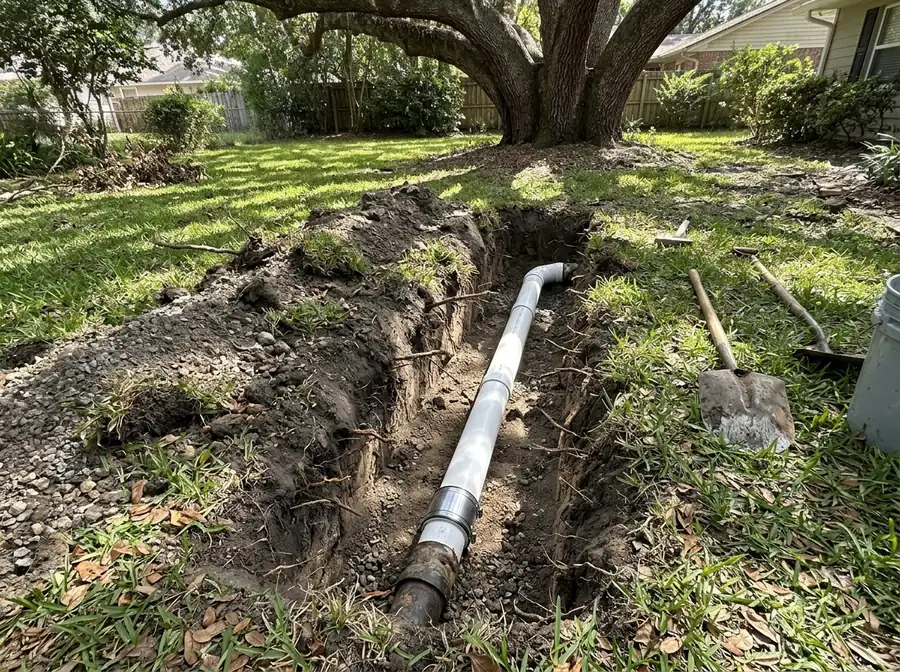
Replacing the Section the Roots Have Broken
When roots have cracked or shifted the pipe, HomeAdvisor says a plumber may recommend replacing part of the line. MAWSS goes further for old laterals: owners often pay to have roots cut out again and again and still end up replacing the lateral. Pipe with tight rubber-gasketed joints, or seamless pipe, is less open to roots than old clay with oakum-packed joints. For one bad length see sewer line spot repair.
Roots on MAWSS's Side of the Line
Roots don't stop at the property line. MAWSS maintains the public lateral and the main, but its policy makes the owner responsible for clearing blockages anywhere between the house and the main; the sewer line repair page explains where the handover point is. If the camera shows roots past your cleanout, ask the plumber to note the footage so you can report it to MAWSS's 24-hour customer line, 251-694-3165.
Why Mobile homeowners, landlords and businesses call Mobile Sewer Line Replacement
- One licensed plumber gets the request, not a bidding list
- No charge to you for the introduction
- Ask to keep the camera video from before and after
- Alabama plumbing licenses can be checked online
Before You Pay for Root Work Again
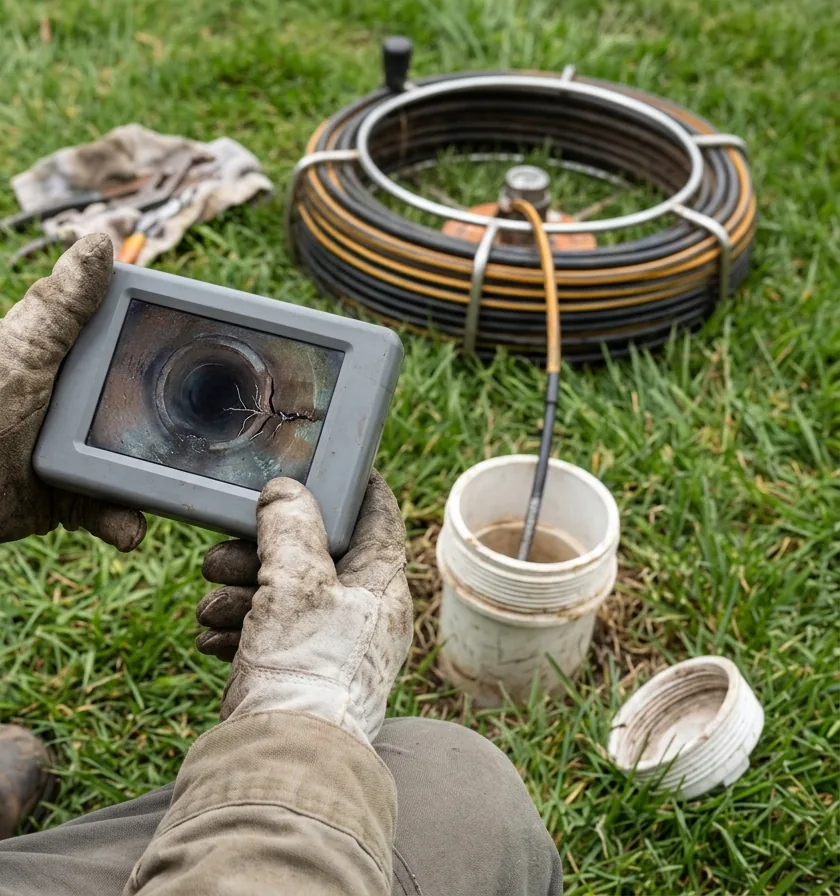
Ask for the camera run after the roots are cut,
not only before. The video of the bare joint shows whether the pipe is cracked or offset under the roots.Count the visits
If roots have been cut out more than once, price lining or replacement against the cost of the next few cleanings.Ask what the treatment is
and who will apply it.Plan the planting
MAWSS advises against planting trees close to the sewer lateral.