
Sewer Camera Inspection by Reason for the Visit
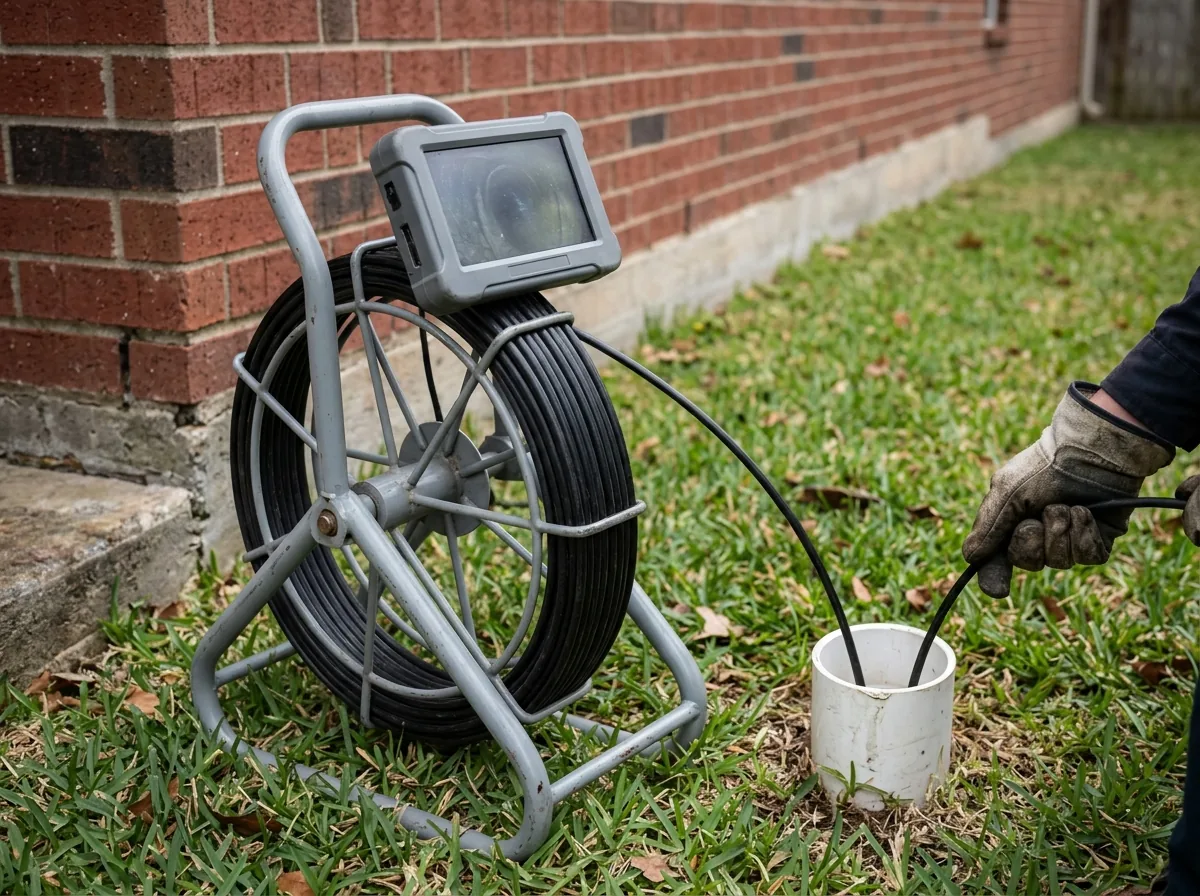
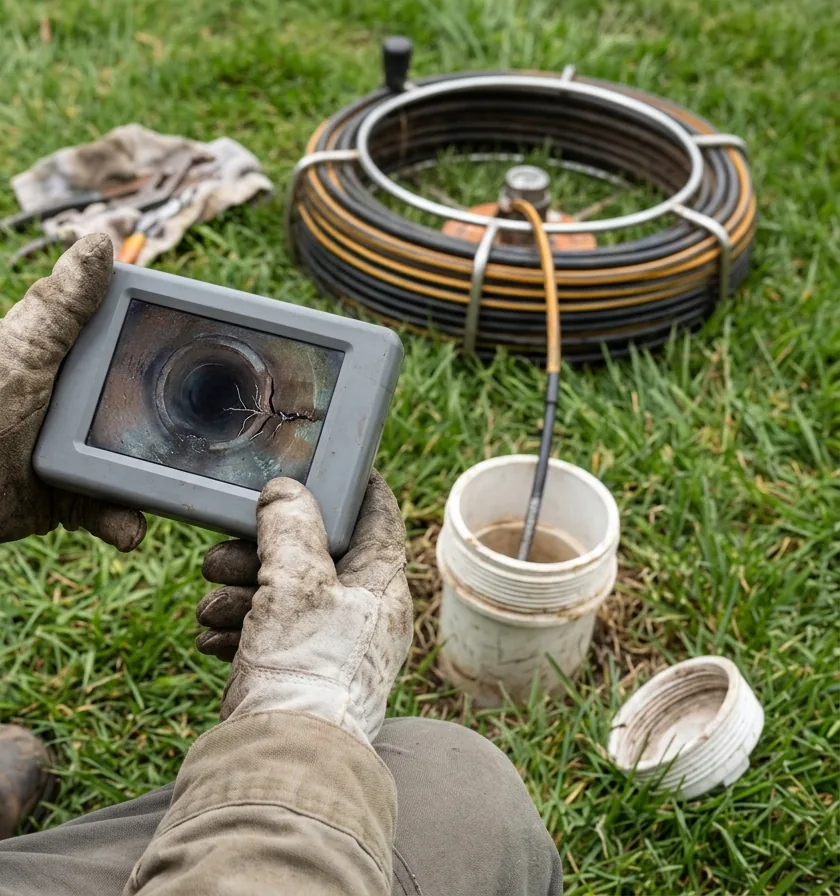
A sewer camera is a small, lit, self-leveling camera on a flexible push cable, fed into the line while the plumber watches live video. The reason you're calling decides where the camera goes in, what the plumber looks for, and what you should walk away with.
Diagnostic Run After Backups or Slow Drains
HomeGuide lists backed-up or slow drains among the signs that call for a camera, along with two in the yard: a damp low spot over the line, or one patch of grass growing faster than the rest. The video shows the cause: cracks, roots, offset joints where settling has pulled two pipe ends out of line, or a belly where the pipe sags and debris collects. A major blockage stops the camera until it's cleared, so a stopped line may need opening first; see sewer line hydro jetting and sewer backup repair.
Locating the Line and Its Depth Before Digging
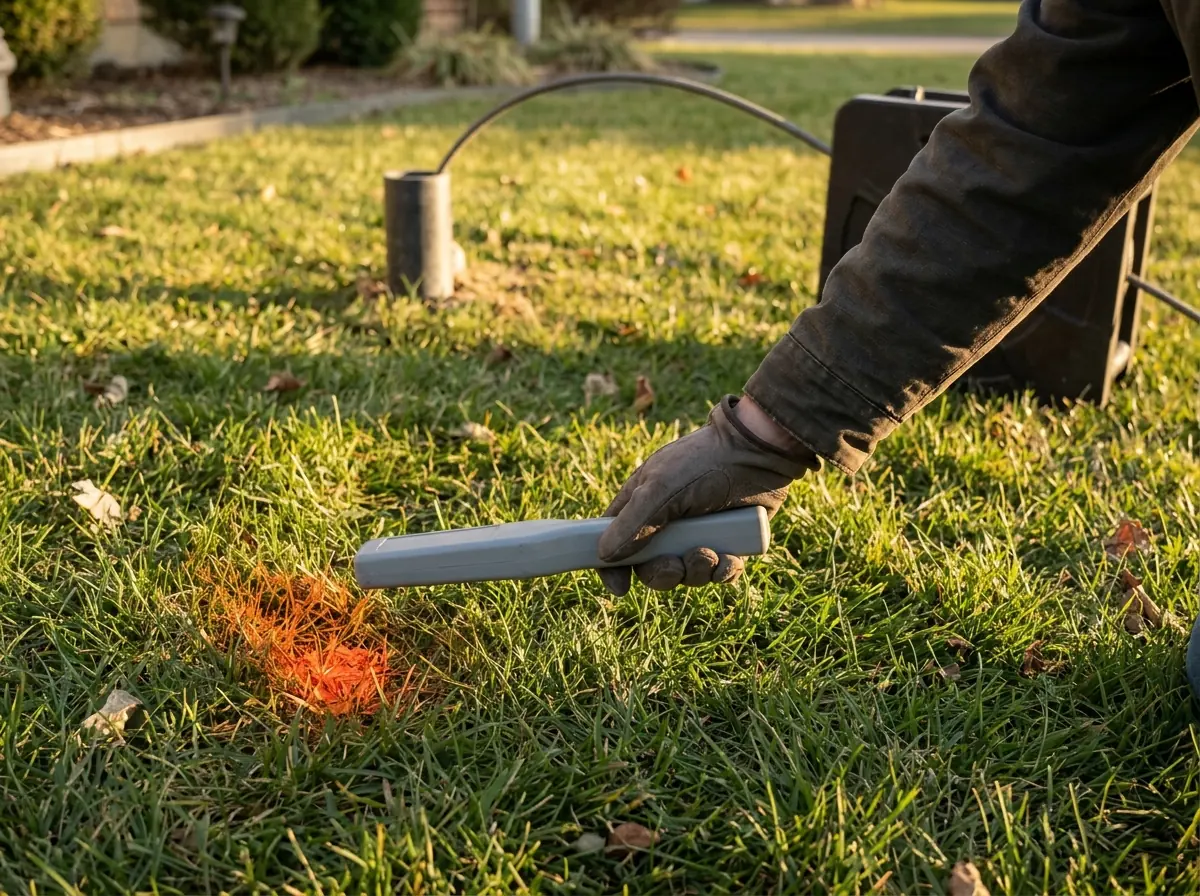
HomeGuide notes that drain cameras carry a built-in transmitter, so the plumber can pinpoint a problem from above ground. That mark tells a digger exactly where to open the yard. MAWSS gives a free verbal location for where a lateral connects and expects the plumber to make a reasonable effort to find it. If MAWSS is asked to locate it by video or excavation, it charges a fee whenever the lateral turns out to be within 5 feet of its mapped spot and 8 feet of the original ground. Ask the plumber to mark both position and depth on the ground.
Quote-Stage Video for Comparing Bids
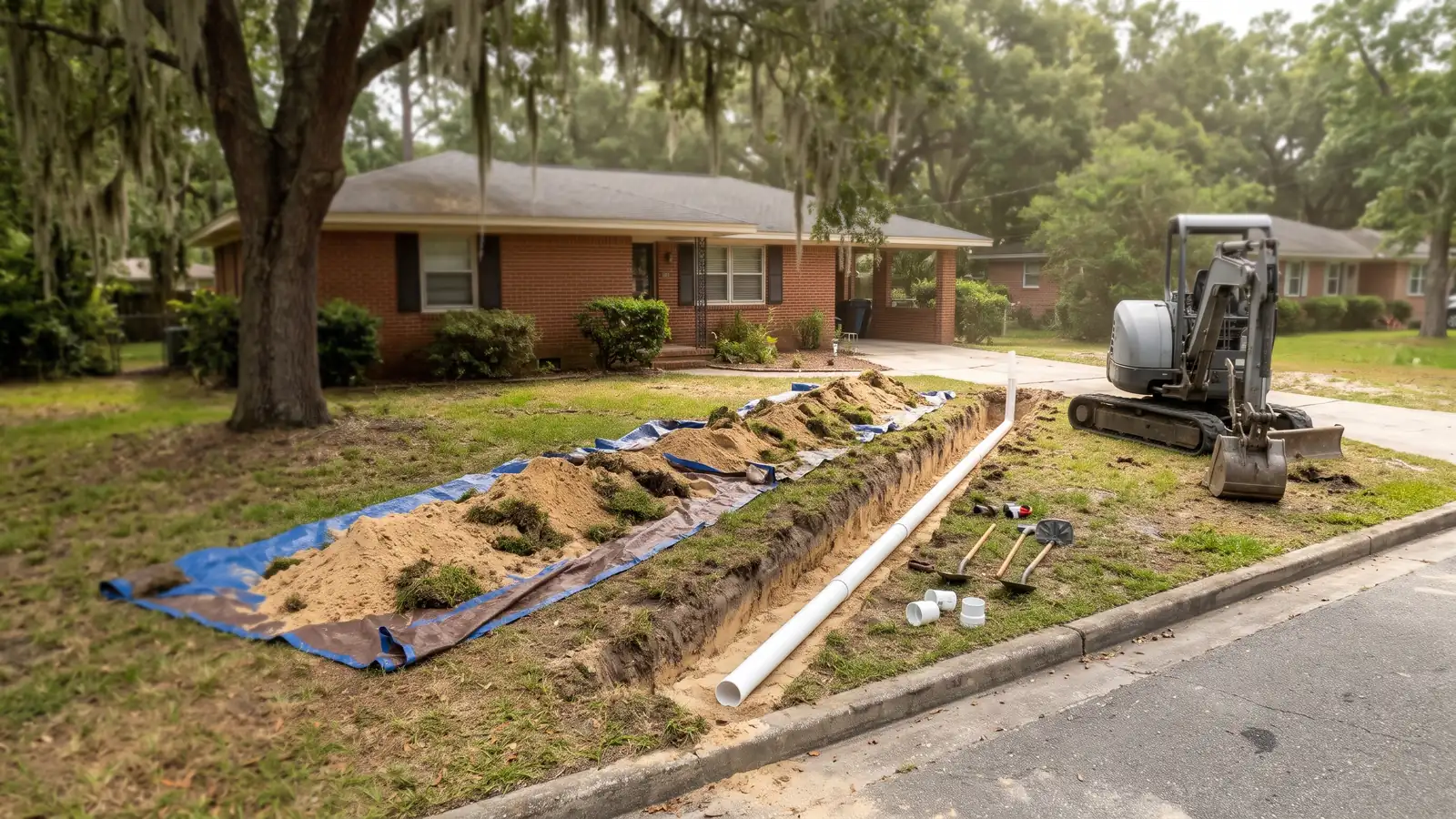
A video made before any price lets you show the same footage to a second plumber. HomeGuide warns about companies that charge little for the inspection and a lot for the repair, and suggests asking for a copy of the video and a printed report. If the quote is for bursting or lining, there may be another recorded video: the code calls for one before either method, and for lining it has to be shot after the line is cleaned.
Checking the Work After a Repair
A second run shows the finished pipe. Mobile's plumbing code requires a recorded video of a burst line before its pressure test, reviewed by the code official, and a video of a relined pipe after it has been flushed and flow-tested, sent in before the permit is closed. After a dig-and-replace, ask for a final run anyway; it's the baseline for any problem years later.
Follow-Up After a Failed MAWSS Test
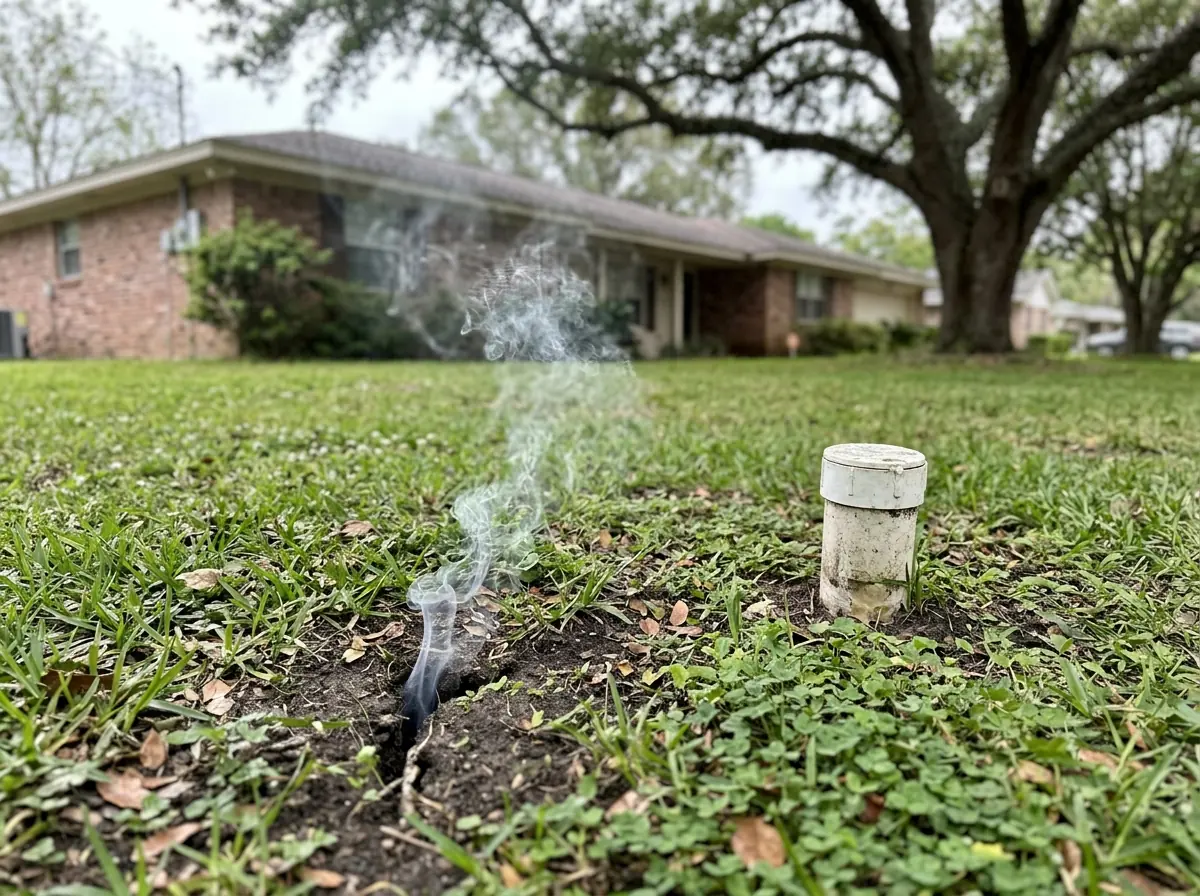
MAWSS tests laterals by forcing smoke into the sewer and by camera, and treats a lateral with roots, cracks, separated joints or worn walls as not watertight. Its letter names a defect, not the state of the whole pipe; MAWSS leaves that judgment to a licensed plumber's inspection. The deadline and penalties are on sewer line repair, and MAWSS can re-test after the work. Buying a house? See sewer scope inspection.
Why Mobile homeowners, landlords and businesses call Mobile Sewer Line Replacement
- One licensed plumber gets the request, not a bidding list
- No charge to you for the introduction
- Ask to keep the camera video from before and after
- Alabama plumbing licenses can be checked online
Sewer Camera Inspection Cost: Access, Clogs and Exclusions
National guides agree closely: $125 to $500 at HomeGuide, $100 to $500 at HomeAdvisor and This Old House, and $175 to $350 on Angi's trenchless page. HomeGuide's own national average is $280. What moves the bill:
Access
A home with an outside cleanout sits at $125 to $500; without one, $175 to $750 (HomeGuide). A cleanout also helps every later visit; see sewer cleanout installation.Clogs
A blocked line takes longer to inspect, and clearing it is billed separately.What's left out
HomeGuide is clear that the camera fee doesn't cover repairs or snaking.
Professional cameras reach 200 to 400 feet, according to HomeGuide. MAWSS says vitrified clay laterals are generally 50 to 150 feet long.
Sewer Camera Footage Worth Asking For
HomeGuide says the plumber may give you a copy of the video; make it a condition when you book. Ask for:
The file itself,
on a USB stick or as a download link, not a screen on the truck.Footage marks
at each defect and at each cleanout, so a second plumber can find the same spot.Depth readings
taken with the locator at each defect, the kind of note the code asks for on a pre-bursting video, so any dig is sized to the job.A written report
NASSCO publishes condition-coding standards for sewer pipe (PACP for mains, LACP for laterals) and certifies plumbers in BSDI, its method for inspecting building sewers from the house toward the main. Ask whether the report uses those codes.