Commercial Sewer Line Replacement by Type of Business
The rules that change a commercial job come from three places: Mobile's plumbing code amendments, MAWSS's pretreatment program, and the state plumbing board's definition of where plumbing ends.
Restaurants and Food Service: the Line to the Interceptor
Mobile requires properly sized interceptors for cooking establishments, the dumpsters that serve them, and all three-basin sinks. The grease-waste main has to be at least 4 inches, and a sampling cleanout sits right after the interceptor, one pipe size larger than its discharge. MAWSS places food businesses without a state discharge permit in its Category 2FS and tracks them for oil and grease, so a replaced line will feed a monitored system. Ask the plumber to price the interceptor connections and the sampling port with the line, not as extras.
Offices and Retail Strips Under Pavement
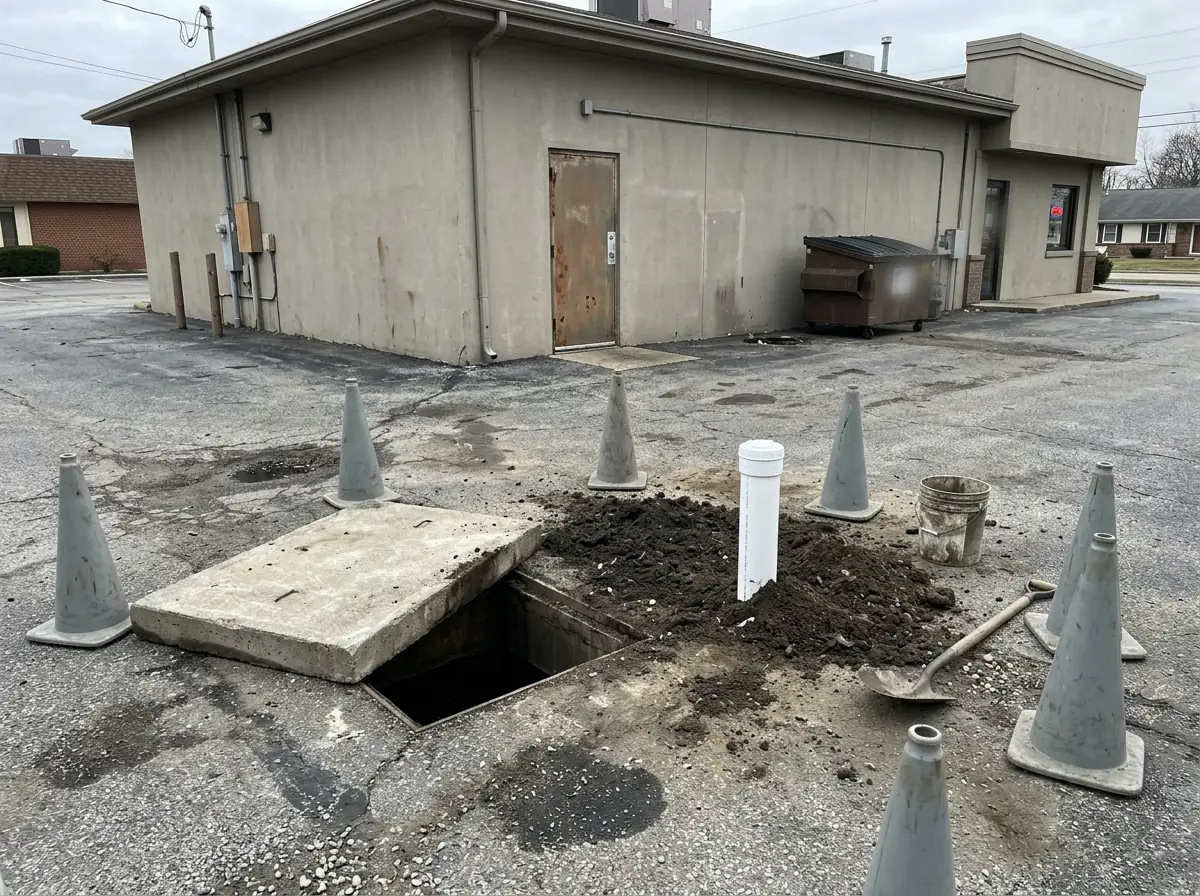
A commercial building drain must be at least 4 inches up to the first restroom group. Mobile's code keeps sewer pipe lighter than Schedule 40 pressure-rated out from under parking lots and vehicle paths, so a replacement under asphalt needs heavier pipe or a different route. Cleanouts in drive lanes use traffic-rated assemblies (cleanout rules).
Warehouses and Light Industrial Buildings
MAWSS sorts dischargers into categories. A business discharging more than 25,000 gallons a day of process wastewater generally falls under state permitting (Category 3); one whose wastewater carries something of concern to MAWSS but needs no state permit is Category 2I. Both have to provide, at their own expense, a monitoring point on the building sewer for inspection and sampling. When the building sewer is replaced, ask whether that monitoring facility has to move with it.
Large-Diameter Site Sewers, 6 Inch and Up
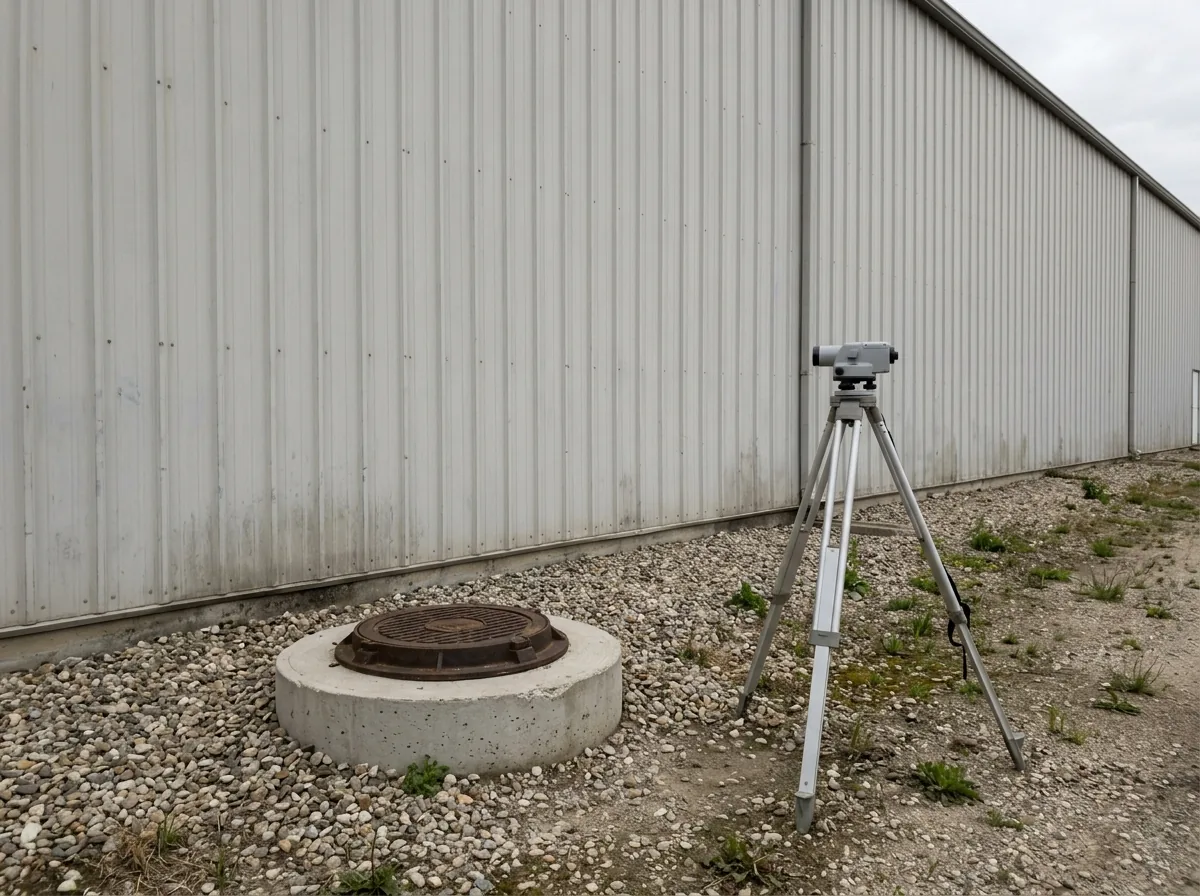
From 8 inches up, the 2021 code swaps cleanouts for manholes: one within 200 feet of the building and then at least every 400 feet. Cleanouts on 8-inch pipe need 36 inches of clear space in front of them. The state plumbing board says a non-residential sewer of 6 inches or more drawn on civil drawings sealed by an Alabama-licensed engineer isn't plumbing, so the largest site lines may be engineered utility work rather than a plumber's job. Bursting is out for pipe this size; see pipe bursting for the limit.
Why Mobile homeowners, landlords and businesses call Mobile Sewer Line Replacement
- One licensed plumber gets the request, not a bidding list
- No charge to you for the introduction
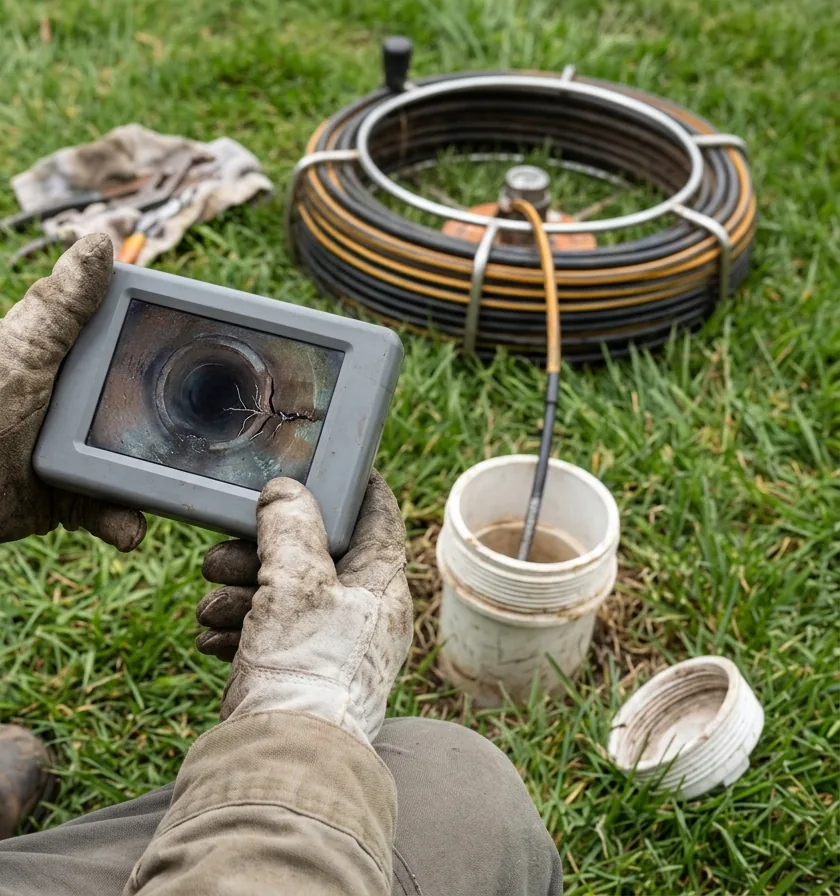
- Ask to keep the camera video from before and after
- Alabama plumbing licenses can be checked online
Who Signs Off on Commercial Sewer Work in Mobile
In Alabama only a master plumber can contract for the work (license checks). Around that sit the City of Mobile plumbing permit and inspection (details on the trenchless replacement page), MAWSS's review for new or converted commercial service, and an engineer's seal for multi-unit and larger site plans. Ask the plumber at the first visit which of these your job triggers.
Keeping a Business Open During a Sewer Replacement
No published survey gives commercial sewer prices for Mobile, and the national guides price house laterals; the homepage cost section has those figures. Ask for:
- the hours the line will be out of service, in writing;
- whether trenchless methods could keep the lot and entrance open (trenchless options);
- a camera run of the existing line first, cleaned so grease doesn't hide the pipe wall.